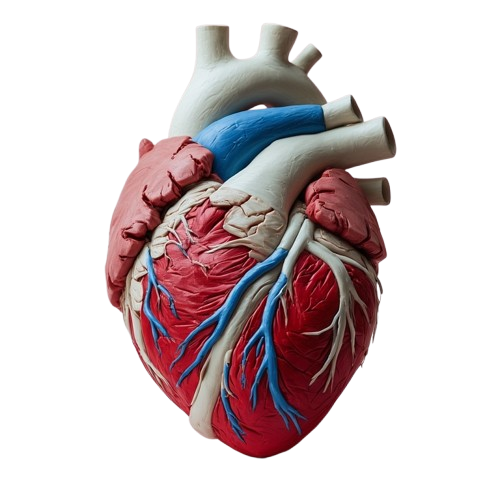
Antiplatelets
Antiplatelets Profile
Scientific Names: Aspirin, Clopidogrel, Prasugrel, Ticagrelor, Dipyridamole, Abciximab, Eptifibatide, Tirofiban
Common Brand Names (Scientific Names): Bayer Aspirin (Aspirin), Plavix (Clopidogrel), Effient (Prasugrel), Brilinta (Ticagrelor), Persantine (Dipyridamole), ReoPro (Abciximab), Integrilin (Eptifibatide), Aggrastat (Tirofiban)
System Category: Cardiovascular System
Common Uses: Prevention of arterial thrombosis, myocardial infarction, stroke, TIA, ACS management, post-PCI stent placement
(Beer, Wine, Spirits)
Interaction: ⚠️ Increases bleeding risk
Layman Explanation: Alcohol can thin your blood and increase the risk of stomach bleeding with aspirin and other antiplatelets.
Scientific Explanation: Alcohol disrupts platelet function and gastric mucosa integrity, increasing gastrointestinal bleeding risk when combined with antiplatelet agents.
Clinical Advice: Limit or avoid alcohol, especially if on long-term antiplatelet therapy.
(Ginkgo Biloba, Garlic, Ginger, Turmeric)
Interaction: ⚠️ May increase bleeding risk
Layman Explanation: Some herbs like garlic and ginkgo thin the blood — which can compound the effect of antiplatelets.
Scientific Explanation: Herbal agents may exhibit antiplatelet activity and enhance bleeding risk through inhibition of platelet aggregation and coagulation pathways.
Clinical Advice: Disclose all supplement use to your healthcare provider.
(Fish Oil, Flaxseed)
Interaction: 🟡 Mild increase in bleeding risk at high doses
Layman Explanation: Fish oils can slightly thin your blood and may add to the effect of antiplatelets.
Scientific Explanation: Omega-3 fatty acids reduce thromboxane A2 synthesis and inhibit platelet aggregation; caution warranted with high-dose supplementation.
Clinical Advice: Moderate dietary intake is acceptable; monitor if using high-dose supplements.
Common Side Effects
- Increased risk of bleeding (nosebleeds, GI bleeding, bruising)
- Gastrointestinal irritation or ulcers (especially with aspirin)
- Headache and dizziness (especially with dipyridamole)
- Shortness of breath (ticagrelor-specific)
Serious Risks & Contraindications
- Active internal bleeding (e.g., peptic ulcer, intracranial hemorrhage)
- Hypersensitivity to any antiplatelet agent
- History of hemorrhagic stroke (in some cases)
- Severe liver impairment (ticagrelor, prasugrel)
- Surgery or trauma increasing bleeding risk
- 💊 Take your antiplatelet medication exactly as prescribed; never double doses if you miss one.
- 🩸 Report any unusual bruising or signs of bleeding to your doctor immediately.
- 🔪 Inform surgeons or dentists before any procedures — even dental cleanings.
- 🍷 Avoid or limit alcohol as it may increase bleeding risk.
- 🌿 Avoid herbal supplements that may affect clotting (e.g., ginkgo, garlic) unless approved by a provider.
- 🔁 Do not stop antiplatelet therapy suddenly without consulting your doctor — especially after stent placement.
Mechanism of Action
Layman Explanation:
Antiplatelets stop your blood from forming dangerous clots by preventing blood cells (platelets) from sticking together. This helps reduce heart attack and stroke risk.
Scientific Explanation:
Aspirin: Irreversibly inhibits COX-1 enzyme in platelets, reducing thromboxane A2 synthesis and thus platelet aggregation.
Clopidogrel/Prasugrel: Irreversibly block the P2Y12 ADP receptor on platelets, inhibiting their activation and aggregation.
Ticagrelor: Reversibly inhibits the P2Y12 receptor; does not require metabolic activation.
Dipyridamole: Inhibits phosphodiesterase (PDE), increasing cAMP in platelets and reducing their activation.
GPIIb/IIIa Inhibitors: Block final common pathway for platelet aggregation by preventing fibrinogen binding to glycoprotein IIb/IIIa receptors.